Our Artistic Director Brad McCormick attended the Family Arts Conference 2026 at Northern Stage, joining artists and organisations from across the UK to share and reflect on work with families.
Walking into the Family Arts Conference this year, the first thing I noticed was how busy it was – the Northern Stage café was full, there were loud conversations going on, queues at registration, and the coat rack was completely full. Always a good sign.
There were a huge range of people present as well: artists, programmers, librarians, museum staff, early years specialists, creative producers. People from all over the UK who all care about making culture with and for families.

On the panel
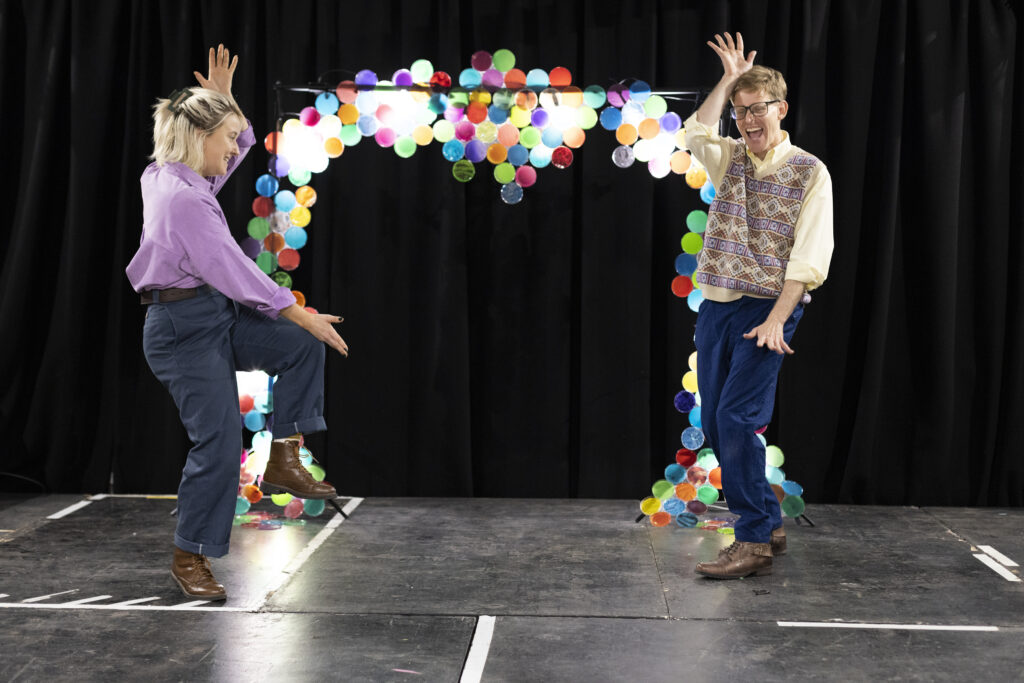
One of the main reasons that we were there was that Cap-a-Pie had been invited to be on a panel: ‘Telling the Hard Stories – on conflict, change and belonging’. I shared the stage with Jude Darwich of the International Rescue Committee and Kelly Amoss of the Seaglass Collective.
Kelly talked about her team’s focus on making the arts more accessible for adopted children as many of them struggle to take part in mainstream arts activities due to early life trauma.
Jude spoke of his organisation’s project Healing Classrooms which supports schools to develop learning spaces where refugee and asylum-seeking students can learn necessary skills to develop their full potential. I hugely admired how he spoke about the work, and it was clear he had a huge amount of expertise in working with people in exceptionally challenging circumstances.
I was also really interested in the Seaglass Collective’s approach to working with their cohort. Kelly said that they begin not knowing what will be created in the workshops. The often complex emotional needs of the participants mean that the facilitators want to remain open to what will come out and have no fixed expectations.
Threads woven through the rest of the day
Across the day, one of the major themes was inclusive practice. In the first keynote speech from Tobi Kyeremateng, they talked about, among other things, their fantastic Black Ticket Project initiative that fosters cultural access points for Black young people.
In another keynote, the fantastic children’s author Lisette Auton told us about the 2026 National Year of Reading and her journey to becoming a children’s author. Her hugely charismatic presentation was about how not seeing characters like her (autistic, disabled and Northern) in books she read as a child was initially an obstacle to her finding her voice as a writer.
Where our work sits within these conversations
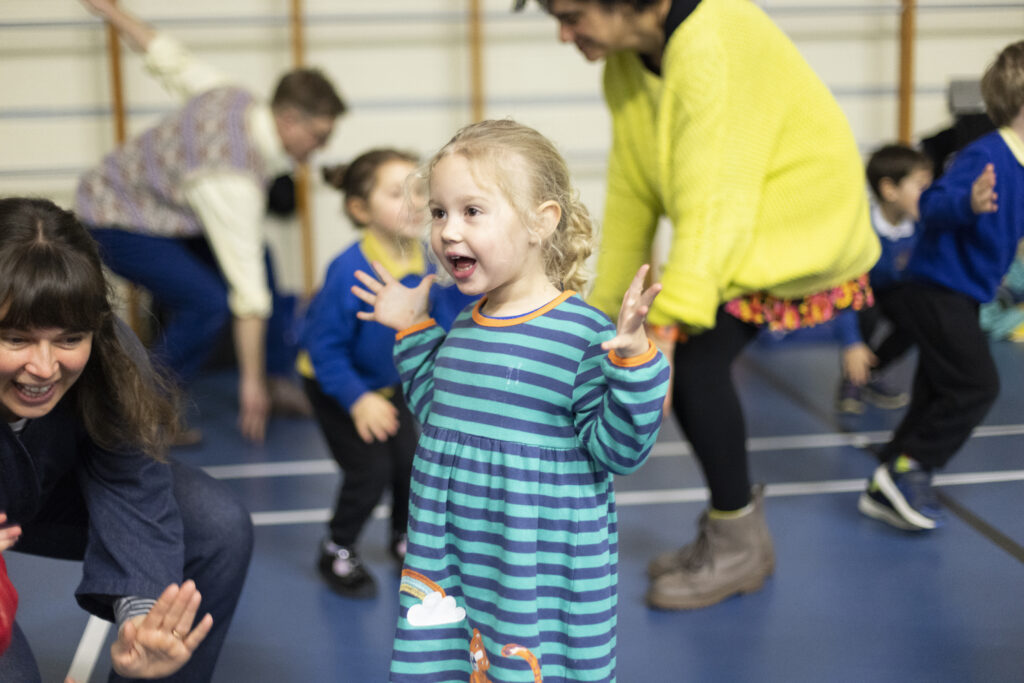
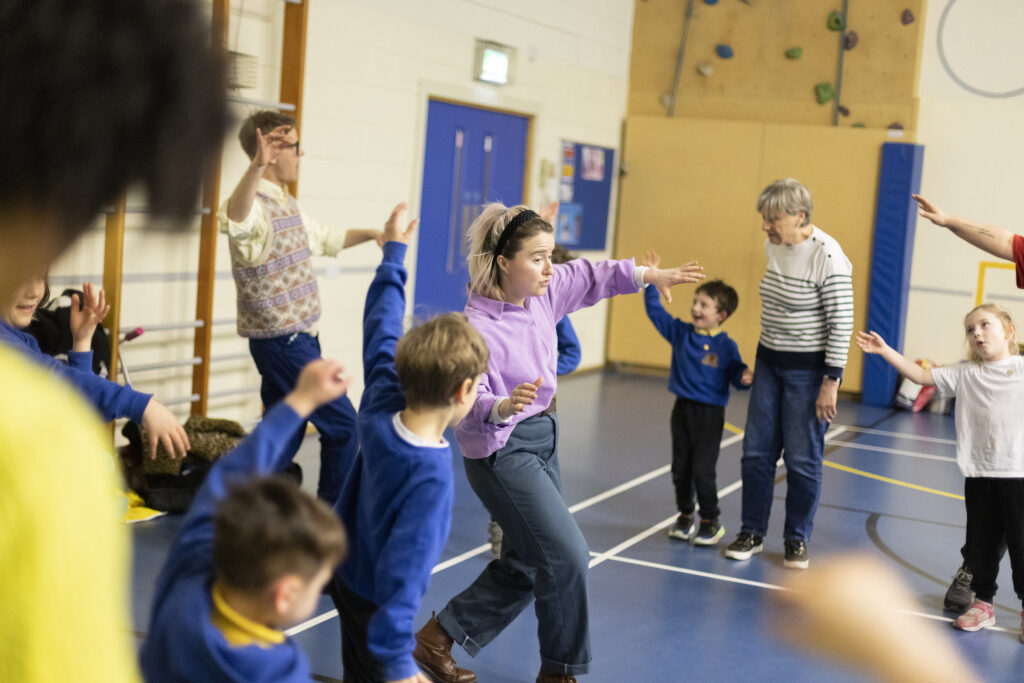
A big part of what makes our work inclusive and is able to reach a lot of children, young people and their families is that our funders make it possible for us to offer the work to schools for free. Similarly to the children that Kelly at the Seaglass Collective works with, the young people at our partner schools often struggle to access the mainstream cultural offer. Being able to deliver our arts activities direct to the school classroom feels useful.
That said, there is always more work to do for us to make sure our sessions can be accessed by everyone who engages with them. When I think about Marvellous Microbes, (an interactive workshop for KS1 children and their families) including Makaton and integrated audio description helped us to broaden access – as we start work on a similar style project about space and the search for extra-terrestrial life, how can we improve on these strategies?
Looking forward
What is always great when coming away from a conference is practical strategies that you can start using in your own work. Danyah Miller’s Spontaneous Storytelling workshop was practical and interactive, and I now have several things that I’m keen to try in our own workshops in schools.
And a big question that I will continue to think about is around how we can be more responsive in sessions and be able to meet the children where they are while still remaining in the context of the themes we explore with them.
Finally, although it was great to have the platform to speak about our work, the most useful part of my time there was listening to others. As Danyah Miller so succinctly put it during her session in the afternoon: “we have two ears but only one mouth”.